
The Fascinating History of Cashmere: From Ancient Trade to Modern Home Décor
By John Doe 04/11/2025 0 comments
Long before cashmere became a staple in luxury boutiques and interior design projects, it travelled the world as one of the most coveted textiles of its time. Its journey from remote mountain valleys to royal courts, European salons and, eventually, contemporary homes is as intricate as the weave of the fabric itself.
The word “cashmere” is derived from Kashmir, a region historically renowned for producing some of the finest shawls in the world. As early as the 13th and 14th centuries, artisans in Kashmir were hand-weaving ethereal pieces from fibres sourced in the high Himalayas. These shawls were incredibly light yet remarkably warm, and they quickly gained a reputation among nobility and merchants along the early trade routes.
By the 18th and 19th centuries, cashmere shawls had become powerful status symbols throughout the Middle East and Europe. They were used as diplomatic gifts among rulers and aristocrats, and their value was sometimes compared to that of jewels. French Empress Josephine, for example, is said to have owned an extensive collection of Kashmiri shawls and helped popularise them at the French court. Owning one of these pieces signalled taste, wealth and a connection to the exotic East.
As trade expanded, European mills tried to replicate the allure of cashmere using local wools and new mechanical looms. While these imitations were more accessible, they never truly matched the softness and fineness of authentic Himalayan fibres or the artistry of hand-weaving. The imitators faded with changing fashions, but the original craftsmanship endured quietly in the regions where it began.
In the 20th century, cashmere moved beyond shawls and scarves into knitwear, fashion and, increasingly, the realm of home décor. Designers recognised that the properties that made cashmere so beautiful to wear also made it ideal for living spaces: its gentle lustre, soft touch and natural warmth could transform not just outfits but entire rooms.
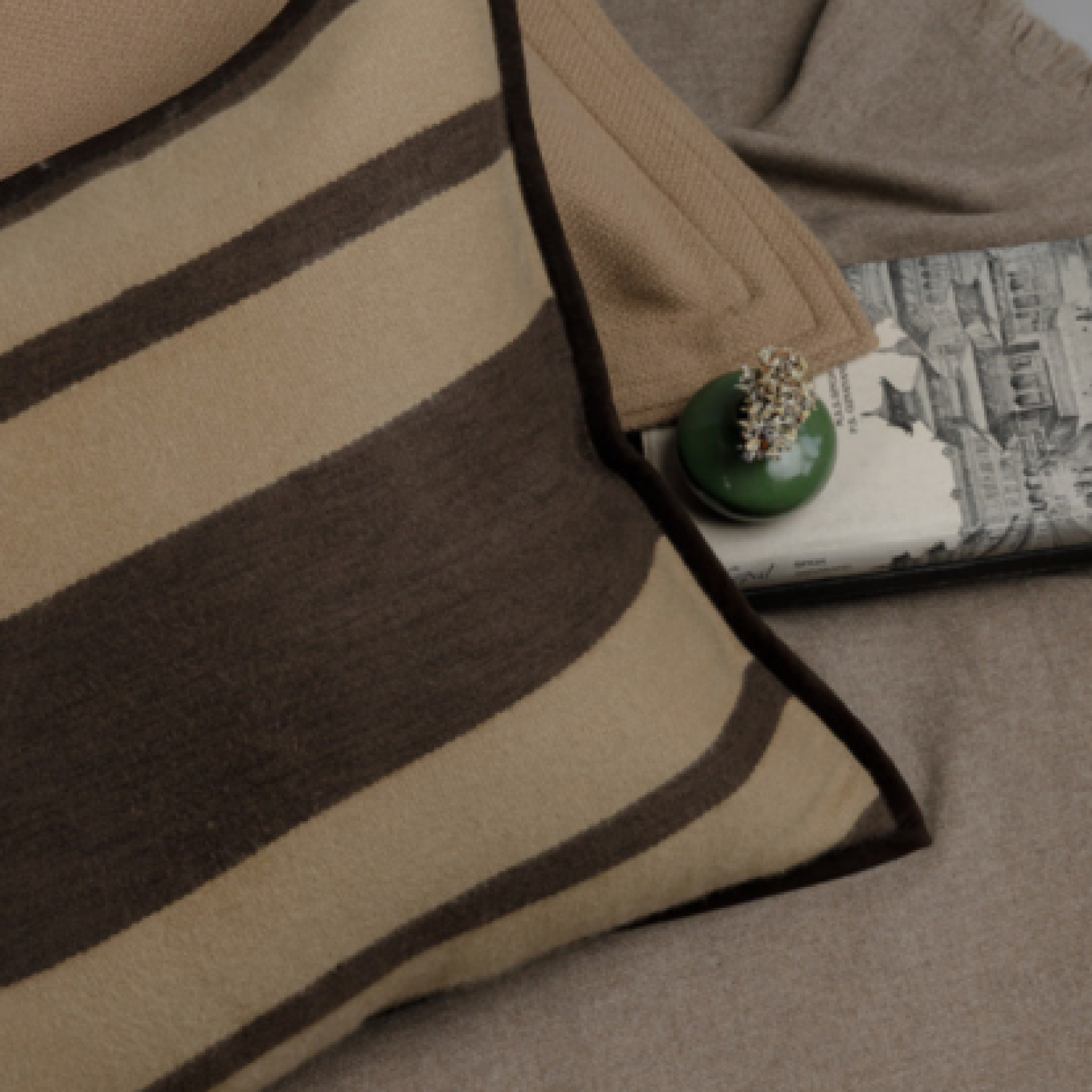
Today, a cashmere throw draped across a sofa, or a blanket folded at the foot of a bed, carries this long heritage into the modern home. It is both an aesthetic choice and a cultural one, linking contemporary interiors to centuries of craftsmanship, trade and storytelling. When you choose a piece from Umrao Cashmere, you are not only selecting a textile; you are participating in a tradition that has travelled from ancient mountain communities through royal courts and global trade routes to arrive, quietly and beautifully, in your living space.
In an age of instant production, the history of cashmere is a reminder that some of the most meaningful objects in our lives are those shaped slowly—by geography, by culture and by the hands of people who have dedicated themselves to their craft.
Tags: The Fascinating History of Cashmere: From Ancient Trade to Modern Home Décor